 Rocket Lawyer · Mobile Conversion
Rocket Lawyer · Mobile Conversion
Case Study · Rocket Lawyer
Failed fast on desktop. Won big on mobile.
5%
Mobile Conversion Lift
2.34%
Peak Checkout Rate
90%
of U.S. Revenue
Context & Mission
Rocket Lawyer's Legal Documents product line was the company's core revenue engine, contributing 90% of U.S. revenue. Even small improvements to conversion rates here had outsized business impact. My mission was to find and unlock those gains through systematic A/B testing and data-driven optimization.
The document creation flow (where users answer questions to generate legal documents like NDAs, leases, and wills) was the primary conversion funnel. Improving gross conversion rates (GCR) here meant more users completing documents and entering the checkout flow, directly driving revenue growth.
This work advanced Rocket Lawyer's mission to make legal services affordable and accessible. By reducing friction in the document creation experience, we helped more people successfully complete the legal tasks they came to accomplish.
Where to focus for maximum impact
Conversion rates had room to grow, but the question was where to focus. Desktop vs. mobile? UX changes vs. performance improvements? We needed a systematic approach to find the changes most likely to move conversion.
Test, learn, pivot, win
We developed a structured A/B testing methodology and ran experiments across the document creation funnel. When our initial desktop hypothesis failed, we pivoted to mobile and found the win we were looking for.
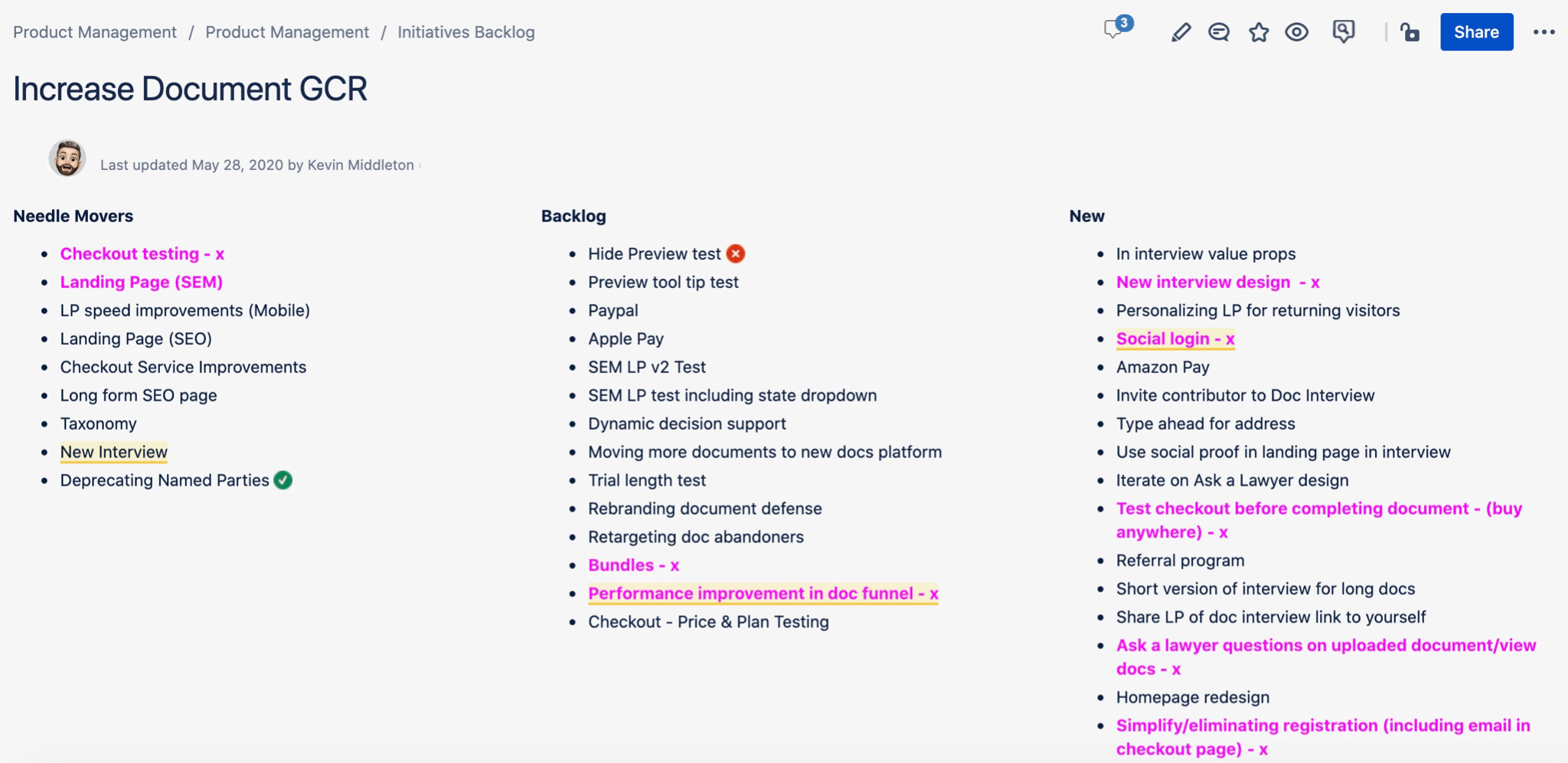
Before running anything we agreed how an experiment gets proposed, judged and shipped. The point was that a good idea from anyone could reach production, and a weak one could be killed before it cost a sprint.
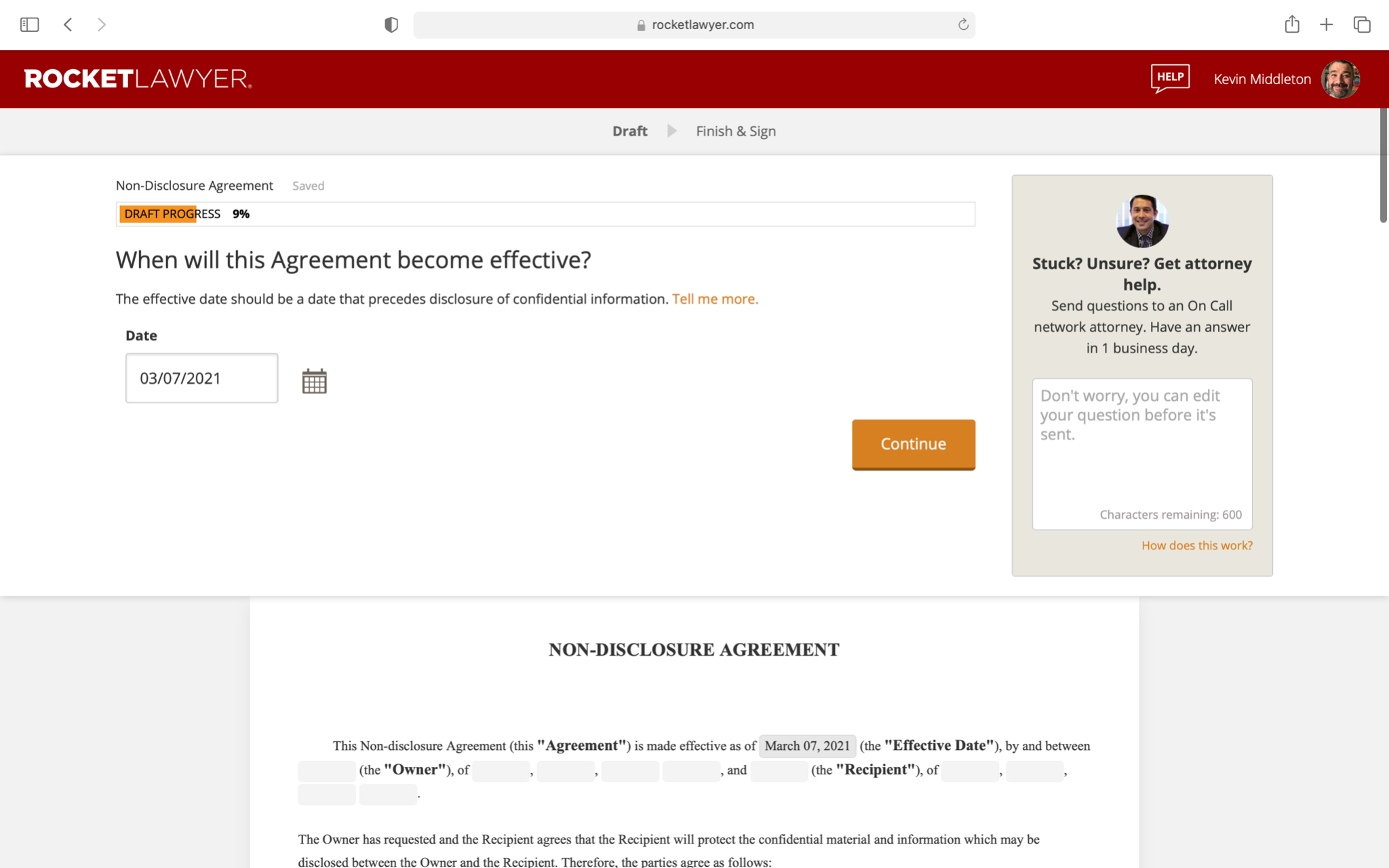
We hypothesized that hiding the document preview on shorter documents would lift conversion. It was the cleanest test of whether the preview was doing real work or just taking up space.
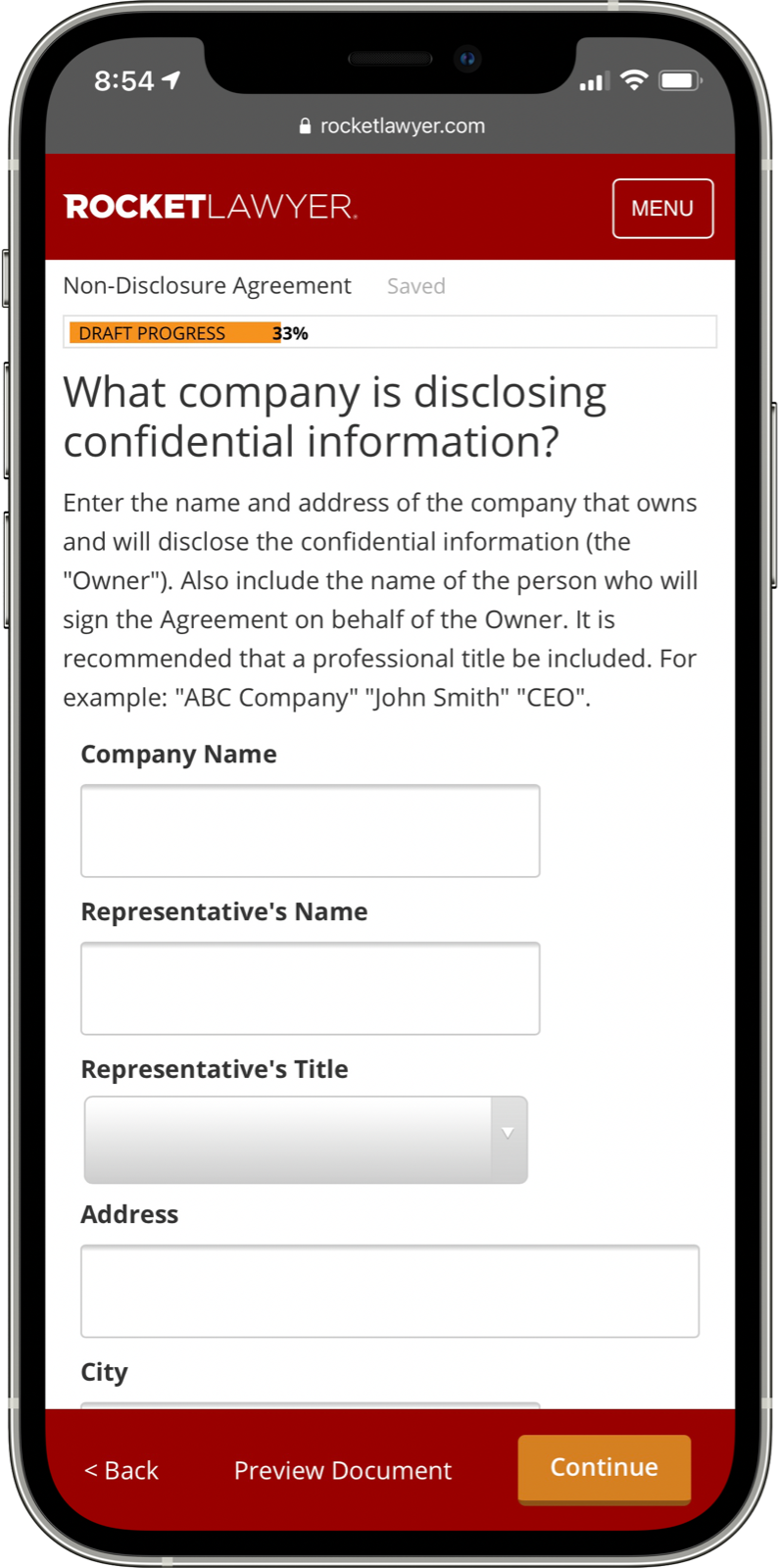
Mobile was not a smaller desktop. Treating it as its own interview, rather than a responsive version of the existing one, was the bet that paid.
Speed was treated as a product lever rather than an engineering chore. That reframing is what got it prioritized against feature work at all.
What we built
Beyond the UX experiments, we invested in tooling and infrastructure that enabled data-driven optimization:
Built custom analytics to map user performance against key metrics: GCR, registration, and checkout rates. This made the relationship between site speed and conversions visible and actionable.
Established a repeatable experimentation pipeline with clear stages: ideation, pitch, brief, experiment, launch. This enabled continuous testing and learning across the funnel.
Productionized the "frictionless" mobile document interview after validating the 5% conversion lift. The shorter flow became the new default for mobile users.
Created structured experiment briefs capturing impact, theme alignment, user journeys, and designs. This documentation enabled better decision-making and knowledge sharing.
From hypothesis to winning experiment
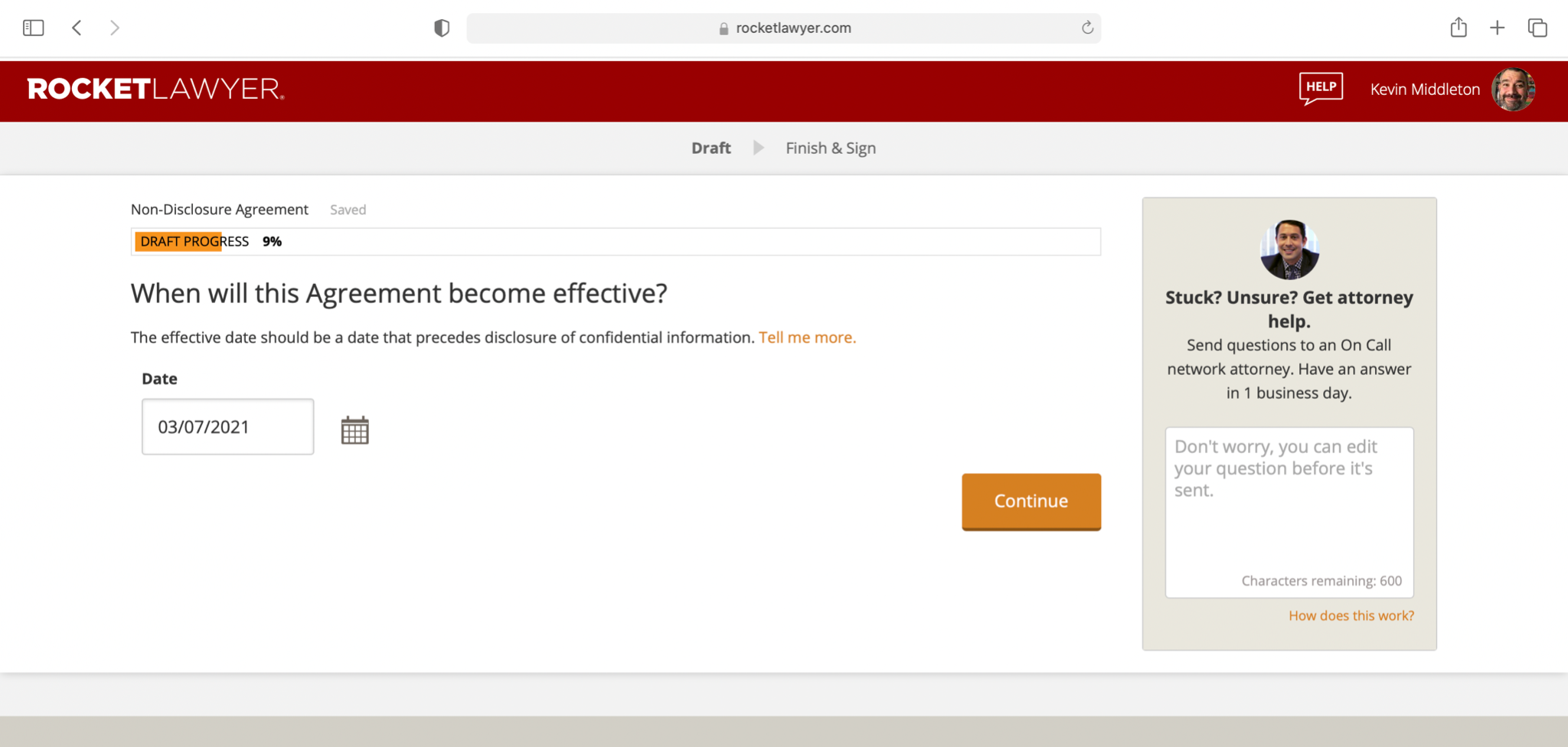
The document interview flow guides users through questions to generate their legal document. We tested UX changes on desktop first, learned from the failure, then adapted for mobile where we found the conversion lift.

How we found the win
The path to results wasn't linear. We had to be willing to let data guide our decisions, even when it meant abandoning our initial hypothesis and pivoting to a different platform.
We hypothesized that users were copying content from the preview on shorter documents. But hiding the preview backfired: control won by 10%. The data taught us that the preview builds trust and shows value before checkout.
The site was responsive but not truly optimized for mobile. Instead of treating mobile as smaller desktop, we designed a "frictionless" experience by removing distractions and cutting steps out of the flow.
Building custom analytics to link site speed with conversion data wasn't glamorous work, but it revealed a clear opportunity. Performance improvements directly lifted checkout rates to an all-time high.
What we delivered
The mobile-optimized document interview drove a 5% increase in gross conversions, a significant win for a product line contributing 90% of U.S. revenue.
Performance optimization work pushed checkout rates to 2.34%, the highest recorded conversion rate, by linking site speed improvements directly to conversion outcomes.
The A/B testing methodology (ideation, pitch, brief, experiment, launch) became a lasting asset for the team to continuously identify and validate conversion improvements.
The performance-to-conversion analytics tools enabled ongoing optimization by making the relationship between site speed and business outcomes visible and actionable.
Where the work was hardest
Finding conversion wins required navigating failed experiments, shifting priorities, and building alignment across teams.
Initial Hypothesis
We suspected users were copying content from the preview on shorter documents and not converting. We tested hiding the preview, but control won by 10%. Users valued the preview more than we expected.
The Insight
The "failed" experiment taught us something valuable: the preview builds trust in the product, shows real-time document updates, and demonstrates value before checkout. This informed future product decisions.
New Approach
The site was responsive but not truly optimized for mobile. We saw an opportunity to remove distractions and cut steps out of the flow. The "frictionless" mobile interview became our next experiment.
Parallel Track
We suspected site performance was impacting conversions but had no way to prove it. Building custom analytics to link performance metrics with conversion data required cross-functional investment but unlocked a new optimization lever.
How this shaped my approach
The desktop experiment "failed" but taught us that the preview builds trust and shows value. That insight was worth more than if we'd simply not run the test.
A responsive site isn't the same as a mobile-optimized experience. Designing "frictionless" meant removing distractions and cutting steps for mobile-specific constraints, not just shrinking desktop.
Site speed isn't just a technical metric. It directly impacts business outcomes. Making that relationship visible enabled targeted optimizations with measurable results.
Ideation, pitch, brief, experiment, launch. A repeatable methodology isn't overhead. It's how you find wins consistently and learn from losses.
