
Attract & Discover
concepts by Kevin MiddletonAn independent concept exercise by a candidate. Not affiliated with Bombas.
Concepts
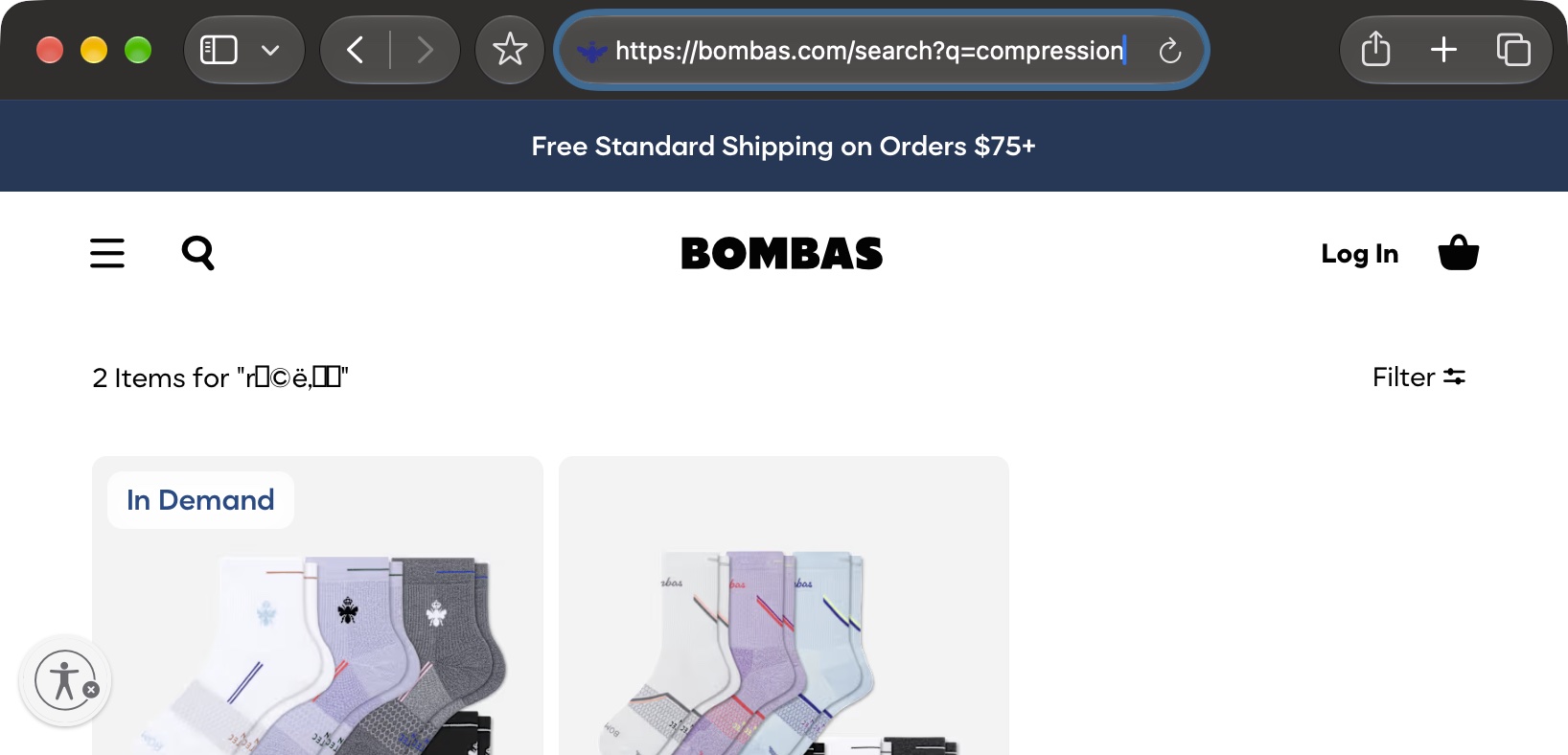
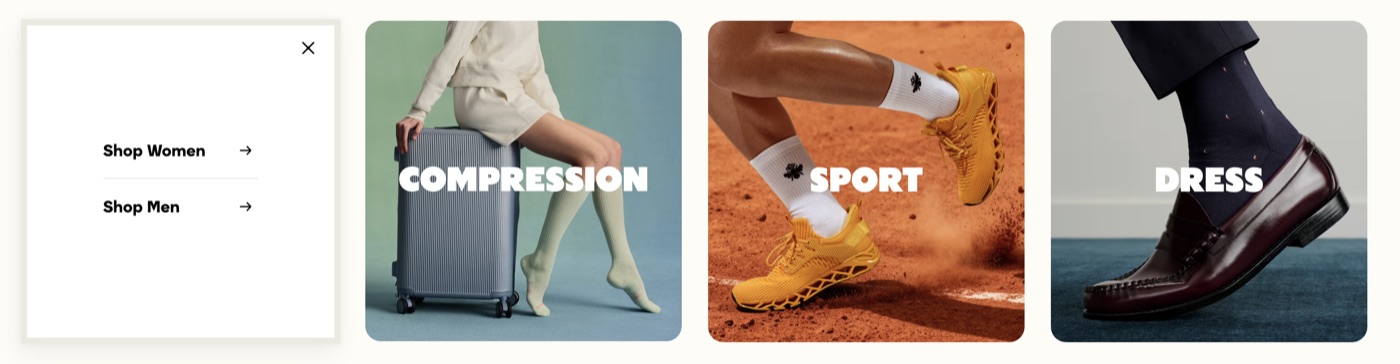
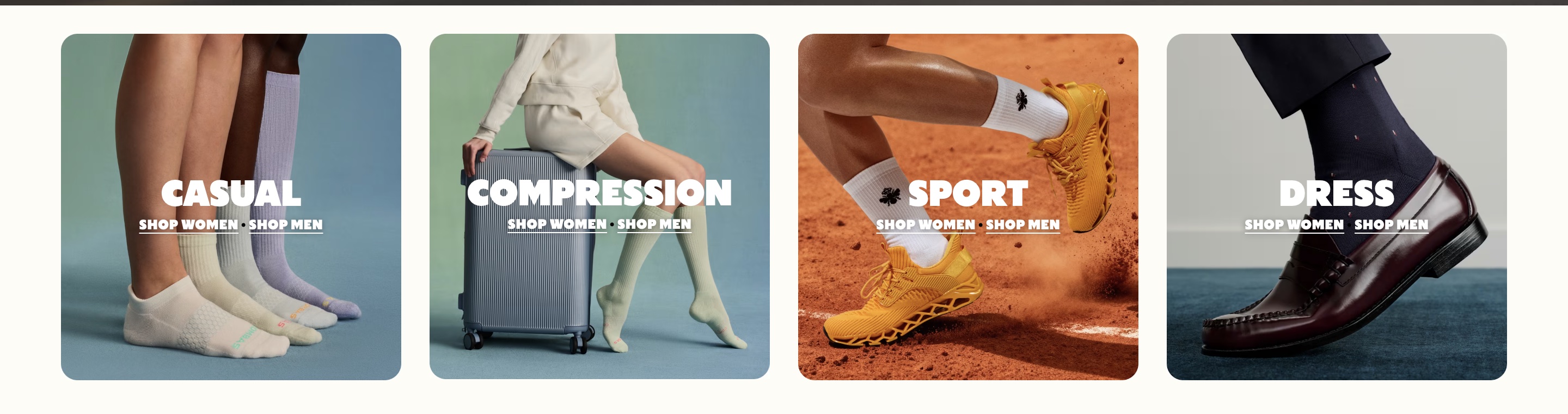
They might be shopping for a 12-hour shift, a long flight, a lazy Sunday, or a gift. Are they landing on the best spot to find it?
Everyone already knows the brand. Let's help people find exactly what they might be looking for, and throw in a few surprises, too.
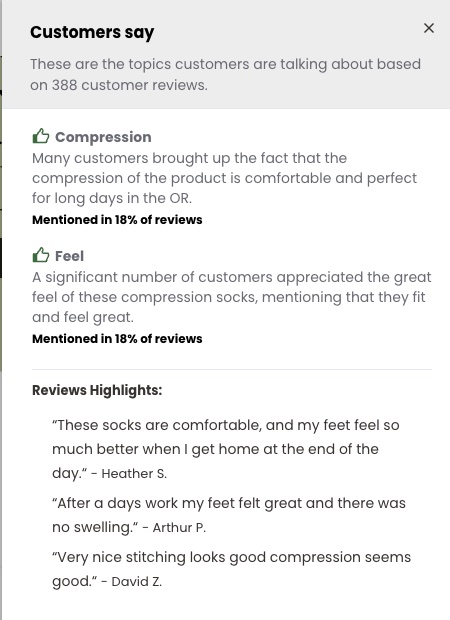
Nurses, servers, people on their feet all day. They're already customers. Nothing on the site is built for how they shop.

$ grep -c 'ld+json' bombas-homepage.html
0 not one line of structured metadata, the code Google reads to understand a page
<script type="application/ld+json">
{
  "@type":  "Organization",
  "name":   "Bombas",
  "slogan": "One Purchased = One Donated",
  "sameAs": ["instagram.com/bombas"]
}
</script>
// plus WebSite + SearchAction,
// so Google shows a search box
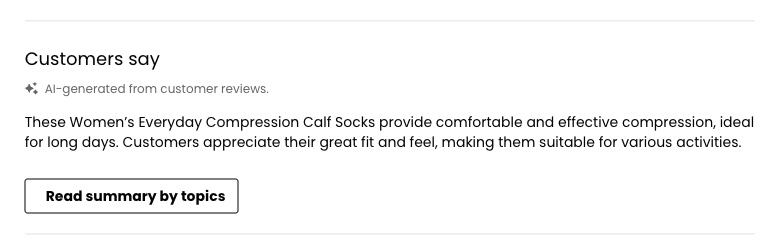
Not everyone shops by typing. Three quick questions can do the routing for them, no product vocabulary required.
 find your pair · concept
There are several official (opens in a new tab) and unofficial (opens in a new tab) guides (opens in a new tab). They're not findable on site nor are they interactive.
These experiences should be reusable, and merchandising should be able to update them without a developer. These tools can be embedded and promoted by paid, social, and organic landing pages.
buying guide · conceptGift buyers have the clearest intent on the site, and gift recipients are tomorrow's returning customers.
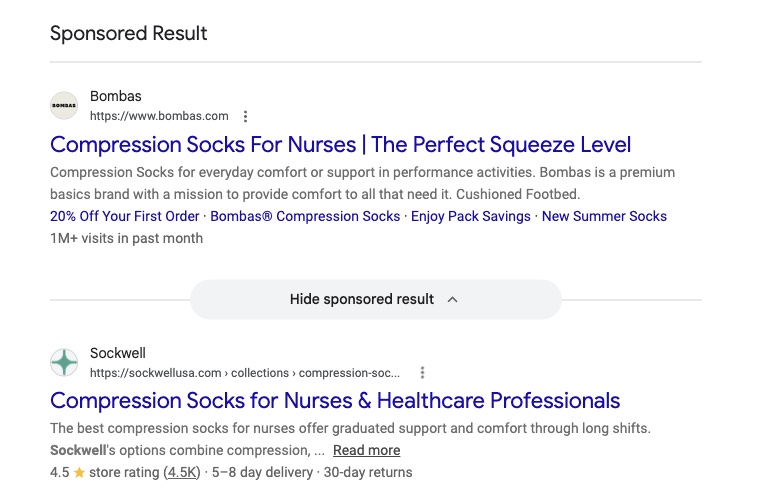
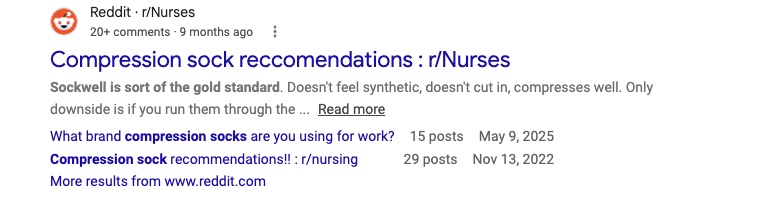
gift finder · conceptMost visitors show up with some idea about what they want. We know what they searched, the ad they clicked, and the link they came from. We should personalize the page accordingly.
A routing layer could understand each user as they come into the site and send them to the right page. Every test below moves the same number: how many visits end up at a product.
Some questions to get to know the team a little better.