Data brokers are companies that collect and sell your personal information. Your address, income range, employment history, purchasing habits. Most people don't know they exist. Most people don't know they already have a profile on hundreds of them.
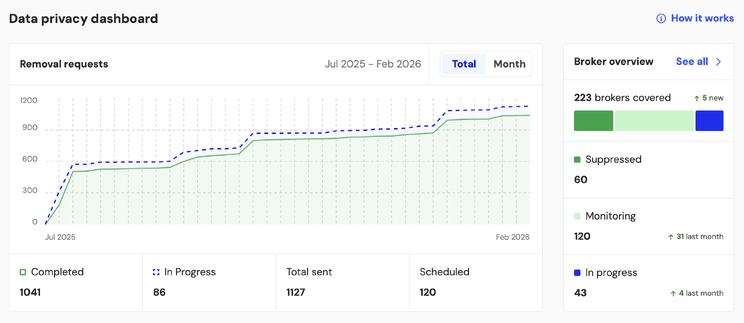
I use a service called Incogni to send removal requests on my behalf. It's identified 223 brokers that had my data, sent 1,127 removal requests, and completed 1,041 of them. Hundreds of companies had built profiles on me, and I'm paying a service to scrub them one by one.
But every day, I send an AI all kinds of deeply specific and personal information about me in the name of personal automation. In the last month alone, I've used AI to prep my 2025 taxes, price out a move across town, edit personal essays, and workshop LinkedIn posts about my career. I've shared what I earn, what I'm afraid of, and what I'm not willing to settle for.
That's more personal than anything those data brokers had. And I'm not unusual. Anyone using AI seriously is doing the same thing.
If I care enough to pay Incogni to scrub my info from brokers, it follows that I'd want this even more personal context protected too. The question is where it lives.
Where I Think This Is Going
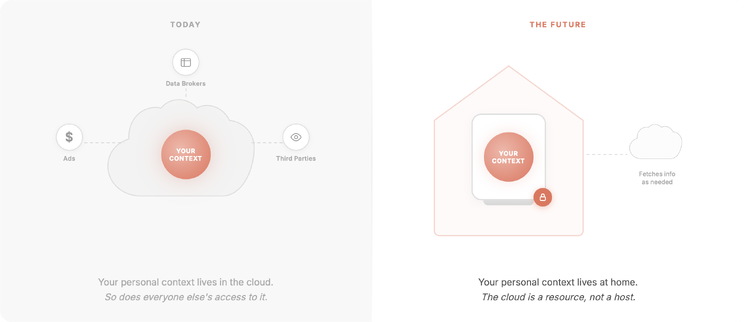
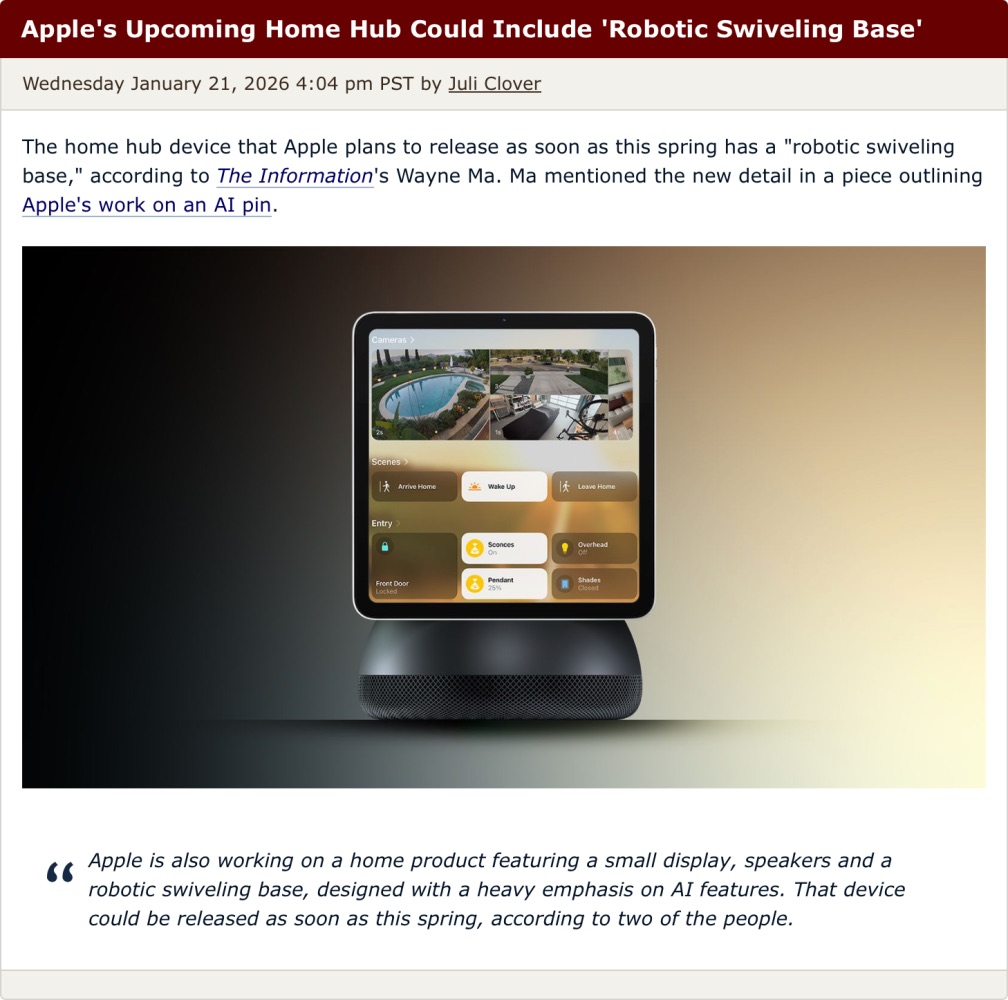
Apple is already investing heavily in on-device AI. I can see a near future where your personal context lives locally in your home, encrypted and under your control. A home device running a capable local model that handles your personal knowledge base. Nothing leaves your network unless you want it to.
The infrastructure is already there. Tools like Ollama have made running local models accessible. The missing piece is model quality at smaller sizes, and that gap is closing fast. The quality jumps between model generations have been massive. Hardware costs are dropping every year. The machines capable of running personal AI workflows are getting cheaper and more powerful at the same time.
I tested local models for my own workflow last fall. They couldn't handle the nuance I needed. But that gap is closing faster than most people realize. Microsoft's Phi-4, a 14B parameter model, is already outperforming GPT-4o on certain benchmarks. "Not yet" has a shorter shelf life than it used to.
Ownership, Control, Encryption
I already pay to scrub my data from hundreds of brokers because I believe that information is mine. The logical extension is wanting my AI context to stay mine too.
Not because cloud APIs are bad. I use them daily and they work well. But because ownership matters. Control matters. Encryption you hold the keys to matters. And as AI assistants get more personal, as we start trusting them with the things we wouldn't share anywhere else, where that data lives becomes a real question.
The day a model I can run at home handles the work I currently send to the cloud, the whole thing comes home.
Your personal context is yours. It should stay yours.